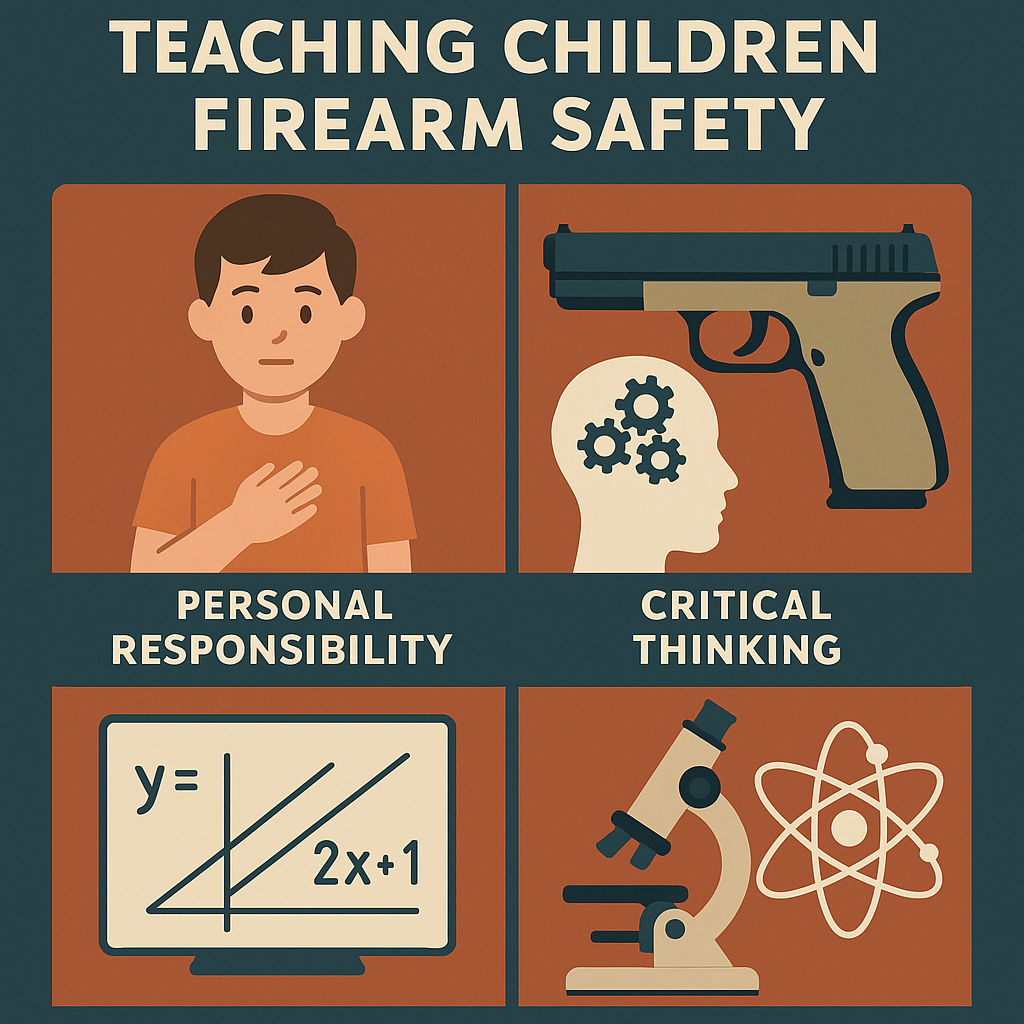
Photo Credit: USCCA
When it comes to self-defense and firearms training, First Aid/CPR and emergency preparedness, how you train matters just as much as what you train. At Brooks Defense Solutions, we’ve made a deliberate choice to keep our class sizes small—and it’s not by accident. It’s because we’ve seen firsthand how smaller groups dramatically improve safety, skill development, confidence, and real-world readiness.
Whether you’re a first-time gun owner, a parent looking to protect your family, a business owner concerned about workplace safety, or an individual with a disability seeking adaptive training, small class sizes create an environment where real learning happens.
Here’s why that matters.
1. More Individualized Instruction = Faster, Safer Skill Development
In large classes, students often get lost in the crowd. Instructors are forced into a “one-size-fits-all” teaching style, and subtle mistakes can go unnoticed.
With small class sizes, we can:
- Observe every student’s technique
- Correct grip, stance, trigger control, and muzzle discipline in real time
- Adjust teaching methods to match individual learning styles
- Provide hands-on guidance during drills
- Tailor instruction for physical limitations, injuries, or disabilities
This individualized approach dramatically reduces bad habits, improves retention, and builds safer gun-handling practices from day one.
2. A Safer Training Environment—Especially for Beginners
Firearms training demands strict adherence to safety protocols. In overcrowded classes, it becomes harder to monitor every muzzle direction, finger placement, and chamber check.
Small classes allow our us to:
- Maintain continuous visual contact with all students
- Intervene immediately if a safety issue arises
- Reinforce the four universal firearm safety rules consistently
- Create a controlled, low-stress learning environment
For new shooters and those who may feel anxious or intimidated, this safer environment makes all the difference.
3. Better Adaptability for Individuals With Disabilities
At Brooks Defense Solutions, we specialize in inclusive training for individuals with disabilities. That simply isn’t possible in large, impersonal classes.
Small group instruction allows us to:
- Modify drills for mobility limitations
- Adapt firearms controls and holsters
- Adjust shooting positions (seated, supported, or one-handed)
- Incorporate assistive devices and alternative techniques
- Pace instruction based on each student’s physical needs
No two students are the same—and our training reflects that reality.
4. Stronger Skill Confidence Through More Repetitions and Feedback
Confidence comes from competence—and competence comes from meaningful practice with real feedback.
In smaller classes, students get:
- More trigger time
- More repetitions per drill
- Immediate correction and reinforcement
- Deeper explanations of “why,” not just “how”
- Extra time to ask questions and troubleshoot challenges
This accelerates learning, builds confidence, and ensures students leave class with skills they can actually use—not just theoretical knowledge.
5. Enhanced Scenario-Based Training and Decision-Making
Self-defense isn’t just about shooting—it’s about awareness, judgment, communication, legal considerations, and de-escalation.
Small classes allow us to:
- Run realistic scenario-based drills
- Rotate students through decision-making exercises
- Simulate real-world stress in a controlled setting
- Provide individualized debriefs after each scenario
- Evaluate reaction time, situational awareness, and judgment
This level of depth simply isn’t possible in large group formats.
6. A More Comfortable, Supportive Learning Atmosphere
Many people delay training because they’re embarrassed, intimidated, or afraid of being judged.
Small class sizes create:
- A relaxed, non-intimidating environment
- Stronger rapport between students and instructors
- Peer support instead of competition
- A culture of learning, not ego
This is especially important for women, seniors, survivors of trauma, and first-time gun owners.
7. Higher Accountability and Long-Term Skill Retention
In large classes, it’s easy to “check the box” and leave without truly mastering anything.
In small classes, instructors:
- Know every student by name
- Track individual progress
- Ensure students meet proficiency standards
- Offer corrective coaching before certification
- Provide follow-up training recommendations
This results in better long-term retention and safer, more capable armed citizens.
Why Brooks Defense Solutions Chooses Quality Over Quantity
At Brooks Defense Solutions, we believe your life—and the lives of those you protect—are worth more than rushed training and overcrowded classrooms.
Our small class model ensures:
- Maximum safety
- Personalized instruction
- Inclusive training for all abilities
- Real-world readiness
- Confidence you can trust under stress
We don’t just train people to pass a class.
We train people to survive real-world threats responsibly and legally.
Ready to Train the Right Way?
If you’re serious about learning self-defense and firearms safety, First Aid/CPR and real-world preparedness, don’t settle for assembly-line training.
Train smarter. Train safer. Train with purpose.
👉 Visit our courses to view upcoming classes, private instruction options, and adaptive training programs.
Or contact us directly to schedule a private or small-group session tailored to your needs.